
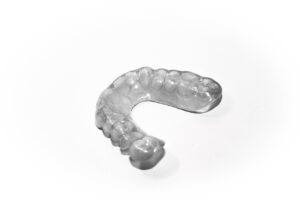
Do you grind your teeth at night? Nighttime grinding, also known as bruxism, can cause headaches, tooth damage, and jaw pain. The best way to combat nighttime grinding is to wear a night guard for Albany, NY, residents. Here is some important information about bruxism treatment in the Albany area.
What Is Bruxism?
Bruxism is the grinding of teeth, most commonly at night, when you sleep. It can be sporadic or frequent and can be severe enough to cause migraines, tooth damage, and jaw pain and disorders. You might experience TMJ symptoms, including jaw popping, poor sleep, headaches, tooth sensitivity to hot or cold foods, and jaw pain.
What Causes Bruxism?
While the reason for bruxism has yet to be determined, some factors can contribute to it. The most significant and common contributors to bruxism are stress and anxiety, followed by sleep disorders such as sleep apnea, smoking or excessive consumption of caffeine or alcohol, misaligned teeth, and certain medications.
Why Bruxism Is a Problem
Left untreated, bruxism can cause other problems that can become serious and possibly irreversible. The constant working of jaw muscles can cause changes in your jaw structure, creating asymmetry and misalignment. Receding gums, loss of tooth enamel, and fractured teeth are also results of bruxism.
How Do Night Guards Help?
A night guard is a custom-made mouthguard by your dentist in Albany, NY, that fits over your teeth to create a cushion or barrier to protect your teeth while you’re asleep. A night guard protects your tooth enamel, relieves jaw pain, and quiets TMJ symptoms. It can also protect your teeth from requiring extensive dental work, such as repairs to cracked or fractured teeth. You will also notice that your sleep is greatly improved due to decreased jaw tension.
Caring for Your Night Guard
To get the most from your night guard, a small bit of maintenance can go a long way. You should clean your night guard daily and include this in your regular brushing routine. When you aren’t wearing your night guard, it should be kept in a clean, dry, well-ventilated area or case to prevent bacteria buildup. Take it with you to your regular dental exam to ensure it still fits properly.
Don’t wait until your pain is severe or damage begins to occur. Your dentist can identify issues like TMJ and misalignment due to bruxism and put together a plan for a night guard to manage your teeth grinding. Contact us today to schedule your appointment for a custom mouthguard.